How to Tell the Difference Between Fear and Intuition When Making a Big Career Move
You’re staring at the decision. Maybe it’s the job offer, the leap into your own business, the conversation you need to have with your boss, the application you haven’t submitted yet because “you’re still thinking about it” (you submitted nothing, Linda, you’re scared). And underneath it, there’s a feeling… tight chest, racing thoughts, a quiet “don’t.” The question is whether that feeling is telling you to stop, or telling you to grow.
Most of us were never taught the difference, so we treat every uncomfortable feeling like a five-alarm fire, when half of them are just your nervous system being dramatic about change.
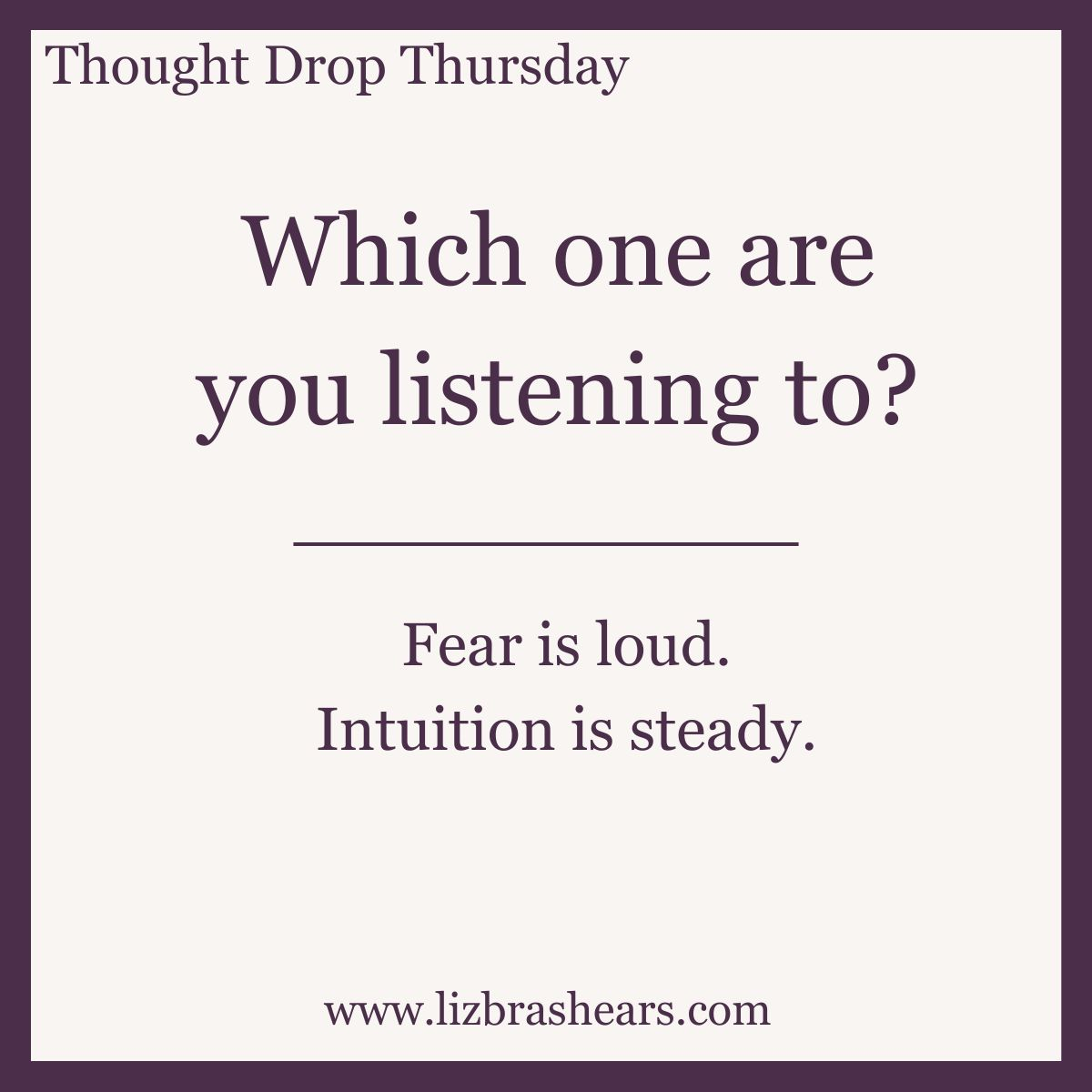
Here’s a distinction I come back to with clients: fear is loud, specific, and obsessed with the past. It points backward – to the time you got burned, the story about what people like you don’t get to do, the worst-case scenario your brain has already storyboarded with disturbing production value. Fear says “what if this goes wrong” and then, helpfully, pitches you twelve sequels.
Intuition doesn’t do sequels. It’s quieter. It doesn’t argue or build a slideshow. It shows up as a steady pull rather than a panicked shove – less “you’ll fail” and more “pay attention, this matters.” Intuition can coexist with nervous. Fear rarely coexists with clarity.
One question I ask clients in this exact moment: if you removed the fear of being wrong, what would you actually want to do? Not the safe answer. Not whatever your résumé thinks it “should” do next. The answer underneath the committee in your head.
Location helps too. Fear lives in urgency – adrenaline, the need to decide right now or flee right now. Intuition lives in a kind of settledness, even when the decision is hard. You can feel scared and certain at the same time. Honestly, that combo is usually your best clue you’re dealing with intuition, not fear in a clever disguise.
It also helps to separate the circumstance from the label or story you slapped on it. Circumstance: you were laid off. Label/ Story: you’re behind, you missed your window, you should’ve seen it coming. Fear thrives in the stories. Intuition lives in the circumstance, in what’s actually true and actually possible, minus the editorial commentary your brain didn’t ask permission to add.
None of this means fear is irrelevant. Sometimes it’s pointing at a real risk worth taking seriously. The goal isn’t to mute it. It’s to stop letting it be the only one with a microphone.
If you’re sitting with a big decision right now, try this: write the fear-based version of the story and the intuition-based version side by side. Not to crown a winner yet. Just to finally notice they’re two different stories, and you’re the one who gets to decide which one gets the final cut.